Denim colorfastness testing answers a practical question: where will the color go when the garment is rubbed, washed, worn, packed or stored? That question matters because indigo denim is designed to change. A good pair of jeans may develop attractive fading at the thigh and seams, yet the same garment should not unexpectedly stain a customer’s white sofa, pale shoes or handbag.
The challenge is not to make all denim behave like a permanently flat-colored fabric. It is to define the kind of color movement the product is allowed to show. A raw or dark-rinse jean carries a different expectation from a heavily bleached vintage style. Black sulfur-dyed denim presents different risks from an indigo warp with a white weft. A garment can pass a wash appearance review and still perform poorly in wet rubbing.
This guide is written for denim buyers, fashion brands, technical designers and quality teams. It explains the differences between color change, staining, crocking and migration; shows how to build a useful test plan; and describes how results should be connected to fabric approval, pencucian pakaian, packaging and bulk inspection.
Why Denim Transfers Color
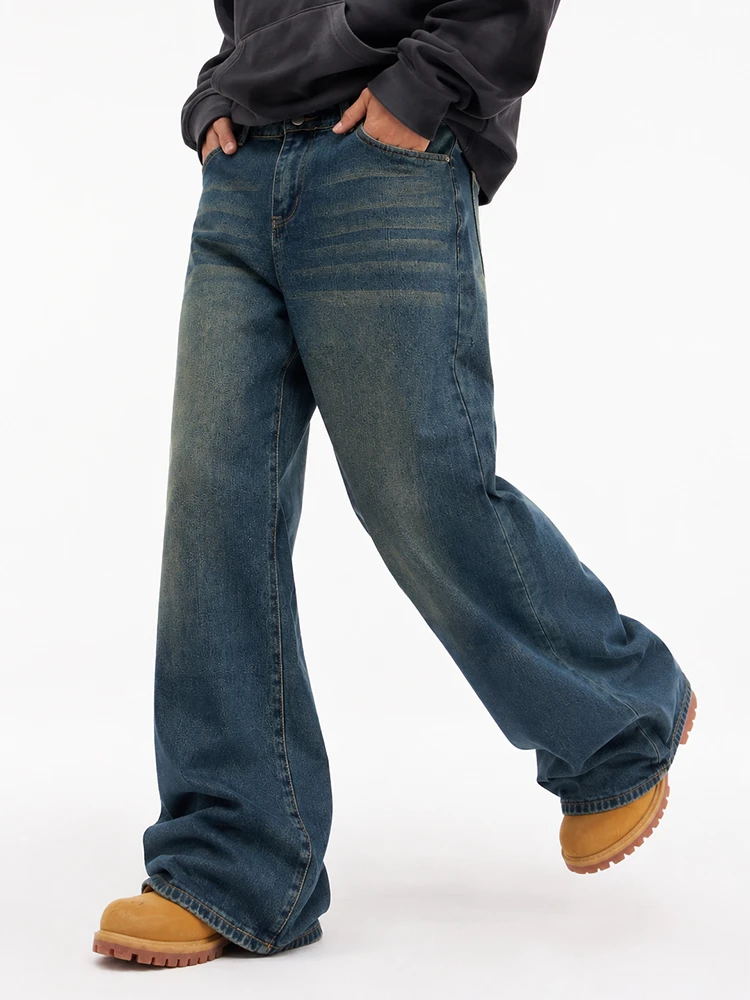
Traditional indigo character comes from the way the warp yarn is dyed. Indigo concentrates toward the outside of the yarn rather than penetrating it into a uniformly blue core. Abrasion gradually removes surface color and exposes lighter material beneath. That ring-dyed structure helps denim form whiskers, seam highlights and wear patterns.
The same surface character makes rubbing performance important. Loose dye, incomplete rinsing, abrasion products and finishing residues can move from the denim onto another material. A very dark shade usually has more visible color available to transfer than a pale, heavily washed shade, but depth alone does not determine the result. Dyeing, yarn, fabric construction, finishing, garment washing and after-treatment all matter.
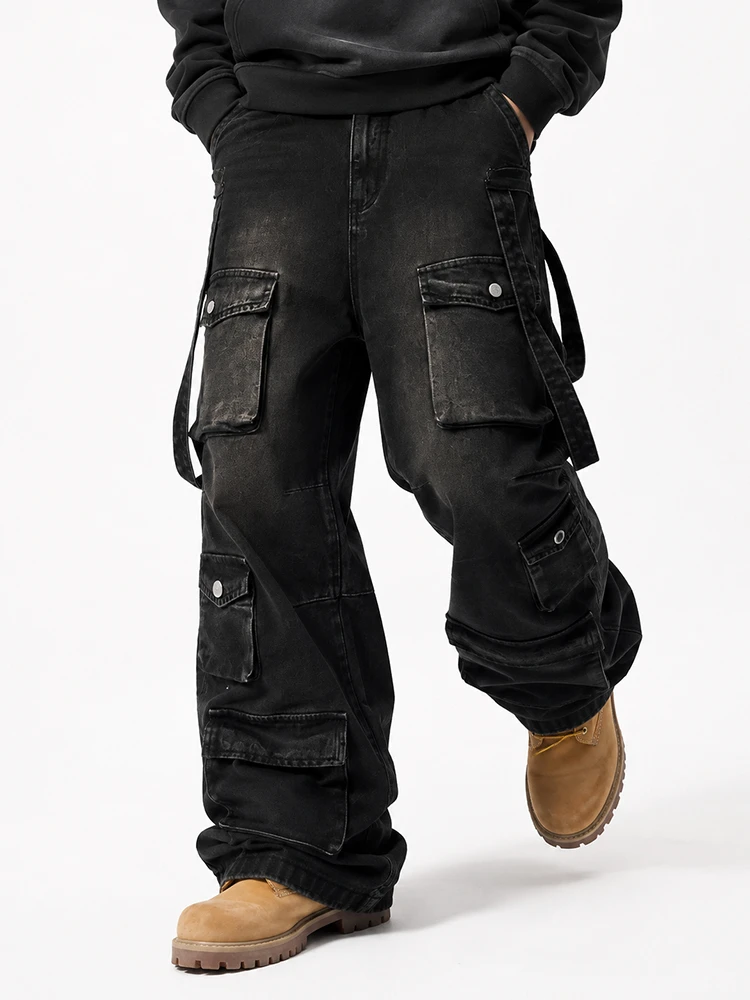
Black denim needs its own review. It may use sulfur dye, reactive dye, pigment, an overdye or a combination selected for a particular effect. A black garment can show rubbing transfer, wash fading, bronzing, uneven oxidation or staining of trims. The product name “black denim” does not describe the dye route well enough for technical approval.
Stretch denim can behave differently from rigid fabric because fiber blend, heat history and surface finish change the structure. Coatings and resin effects may improve one result while creating cracking or uneven abrasion elsewhere. Printed and sprayed effects should be tested as complete surfaces rather than assumed to perform like the base denim.
Some color movement is therefore expected, but “denim always bleeds” is not a quality standard. The brand still needs measurable limits, a care method and a customer-use decision.
Color Change, Staining, Crocking and Migration Are Not the Same
Color change
Color change describes what happens to the test specimen itself. After washing, for example, the denim may become lighter, redder, greener or less saturated. In a vintage jean, a controlled shade change can be desirable. The result still needs to match the approved appearance and stay within the stated grade or instrumental tolerance.
Staining
Staining describes color deposited on an adjacent material during a test. A denim specimen may show only a modest shade change while heavily staining a white cotton or synthetic adjacent fabric. Evaluate the donor garment and the receiving material separately.
Crocking or rubbing transfer
Crocking is transfer caused by rubbing. The test uses a specified white cloth under controlled movement and pressure. Dry and wet tests represent different risks. A product may perform acceptably when dry but transfer much more color when the rubbing cloth is wet.
Bleeding
Bleeding is a general commercial term for dye moving into a liquid and possibly onto other materials. It is often used loosely in complaints. A blue wash bath, a stained pocket bag and a marked white seat cover are different failure modes and should not be diagnosed from the word alone.
Migration
Migration refers to color moving from one component to another over time, often under heat, humidity, pressure or prolonged contact. It can appear in a folded garment, on a pale patch, inside packaging or between dark fabric and a light synthetic accessory. A standard laundering result does not automatically predict storage migration.
Shade variation
Shade variation is a difference between rolls, panels, garments or wash loads. It may exist without actual transfer. Brands should not use a colorfastness test to replace a shade-band and lot-control system. Luokugg’s denim wash development guide explains how visual wash standards and bulk shade ranges are managed.
Build a Risk-Based Denim Colorfastness Test Plan
A test list copied from another brand can be expensive and still miss the real risk. Begin with the product, market and expected use.
| Product situation | Main color risk | Testing emphasis |
|---|---|---|
| Raw or dark-rinse indigo jeans | Dry and wet rubbing onto light surfaces; first-wash bleeding | Rubbing, laundering, water contact and clear care communication |
| Heavily washed light denim | Continued shade loss, local weak areas and trim staining | Laundering, appearance retention and testing at abraded zones |
| Black denim | Rubbing, wash fading, surface oxidation and trim migration | Rubbing, laundering, perspiration and storage contact |
| Stretch skinny jeans | High contact at seat and thigh, perspiration and finish change | Wet rubbing, perspiration, laundering and post-stretch surface review |
| Jaket denim | Transfer to bags, upholstery, shirts and neck labels | Dry rubbing, perspiration, water and contact with internal trims |
| Printed, coated or overdyeed denim | Surface cracking, transfer and uneven loss | Test the finished effect, not only the base fabric |
| Dark garment with pale patches or pocketing | Component-to-component staining | Adjacent-fabric, storage and assembled-garment contact tests |
Next, identify the required standard and method version. ISO and AATCC methods may address similar properties but use different apparatus, cloths, conditions or reporting. Results from different methods should not be compared as if they were the same number. State the exact method in the specification.
Finally, define the tested state. “Fabric passed” is incomplete. Was it loomstate, mill-finished, garment-washed or taken from bulk? The final product may include a process that removes loose dye or, conversely, a dark overdye that adds a new transfer risk.
Dry and Wet Rubbing Tests
ISO 105-X12 specifies a method for determining resistance to rubbing off and staining other materials, with separate dry and wet procedures. In markets using AATCC methods, AATCC TM8 is the Crockmeter method for colorfastness to crocking.
What the test represents
The rubbing cloth receives color from a controlled area of the specimen. The stained cloth is then graded. Dry rubbing represents contact with another dry surface. Wet rubbing creates a more demanding route for surface color to transfer and often produces a lower grade on dark denim.
Direction matters
Denim has warp and weft directions and a visible face. Test the specified direction and surface. A localized print, resin, sanding zone or coated panel may perform differently from a plain area. If the customer will contact those areas, include them in the plan.
Moisture control matters
The water content of a wet rubbing cloth must follow the chosen method. “Wet” is not a visual judgment. An over-wet cloth, an unevenly wetted cloth or a cloth allowed to dry before testing can change the result. Record preparation and timing.
Surface debris can mislead
A fabric with loose fibers or finishing residue may heavily mark the crock cloth even if the underlying dye fixation is different. That still represents a consumer risk, but diagnosis should separate removable surface material from dye released out of the fiber. Examine the specimen and rubbing cloth rather than recording only a grade.
Test repeatability matters
Condition specimens, use the specified white cloth, maintain apparatus pressure and travel, and evaluate under controlled lighting. When a result is close to the limit, repeat the test with fresh specimens and inspect operator technique. Testing until one specimen passes is not a valid approval strategy.
Colorfastness to Laundering
ISO 105-C06 covers colorfastness to domestic and commercial laundering using specified detergent and procedures. The method evaluates color loss and staining under controlled conditions. It is not the same as approving a factory wash recipe, although both involve water, chemistry and mechanical action.
A laboratory laundering test answers how the material resists a named simulated care condition. A garment-wash trial answers whether the manufacturer can create the intended commercial appearance. A dark fashion jean can pass its approved factory wash and still release unacceptable color during customer laundering if the rinse, dye system or care method is not aligned.
Evaluate two outcomes
First assess the change in the denim’s own shade. Then assess staining on the adjacent fabric. A product can be designed to fade while still requiring controlled staining. Do not combine both observations into one pass or fail statement.
Use the correct adjacent material
Standard multifiber adjacent fabrics help identify which fiber types receive staining. Product-specific contact materials can add useful information: white cotton pocketing, a pale polyester label, synthetic leather trim or the actual lining. Keep official method results separate from supplementary brand tests.
One cycle does not tell the whole story
The first wash may remove a large amount of loose color. Repeated laundering can reveal continued fading, differential panel change or trim staining. Choose the procedure and number of evaluations according to product claims and expected care, and report them clearly.
Consumer machines are not laboratory equipment
A home-machine trial is useful for wear review and care-label validation, but detergent dose, load size, temperature and machine action vary. Use a standardized method for formal comparison and a controlled home-care trial for product experience.
Water and Perspiration Testing
Denim is exposed to more than full laundering. Rain, damp storage, sweat and a wet seat can create transfer conditions without detergent.
ISO 105-E01 assesses colorfastness to water immersion. It helps evaluate color movement and staining when a textile remains wet in contact with adjacent materials.
ISO 105-E04 determines resistance to human perspiration. This is relevant at waistbands, pocket areas, jacket collars and close-fitting stretch styles. Perspiration testing is different from wet crocking: one evaluates a contact environment under the specified procedure, while the other applies rubbing action.
For a denim jacket worn over a white shirt, collar and underarm transfer may be commercially important. For jeans, the waistband, seat and thigh see sustained body contact. Use the garment’s actual lining, pocketing and labels in supplementary trials when those components are light-colored.
If a water-repellent or coated finish is used, test before and after the intended laundering sequence. A surface treatment can change water interaction when new and then weaken over time.
How Colorfastness Grades Are Assessed
Many colorfastness results are expressed on a grey-scale grade from 1 ke 5, including half grades where the method allows them. A higher grade represents less visible change or staining. The evaluation tool depends on what is being judged.
ISO 105-A02 describes the grey scale used to assess change in the specimen’s color. ISO 105-A03 describes the grey scale for staining on adjacent fabrics. These are related scales, but they do not report the same effect.
| Grade | General interpretation | Buying decision |
|---|---|---|
| 5 | No or negligible visible difference under the specified assessment | High performance, but verify method and product relevance |
| 4 ke 4-5 | Slight difference or staining | Often workable, subject to brand standard and product type |
| 3 ke 3-4 | Noticeable difference or staining | Requires a deliberate risk decision; may be unacceptable for pale-contact use |
| 2 ke 2-3 | Strong visible difference or staining | Usually a significant commercial risk unless the product and warning clearly support it |
| 1 ke 1-2 | Very strong change or staining | Normally unsuitable for ordinary approval |
This table is an interpretation aid, not a universal specification. A brand might set a higher minimum for dry rubbing than wet rubbing on a dark raw denim. A children’s product, pale coordinated set or garment advertised as colorfast may need different limits from an adult fashion item sold with an explicit color-transfer warning.
Do not change the standard after seeing the result. Acceptance criteria should be stated in the fabric specification or purchase agreement. If a concession is made, document the affected lot, actual grade, customer risk, labeling decision and authorization.
Fabric Approval Versus Garment Approval
Mill testing is the first gate, not the last. It identifies whether the supplied fabric is capable of meeting the requirement. Garment processing can materially change the surface.
Test fabric before commitment
Test the nominated mill article in the approved color and finish. Keep a sealed cutting. For bulk, verify dye-lot identity and repeat critical tests by the sampling plan. A test report for a similar article or an old lot does not prove current production.
Test development garments
Run the intended garment wash, drying and finishing. Test representative areas after processing. Compare results with visual appearance, hand and measurements. This stage shows whether the proposed finish can achieve both aesthetic and technical requirements.
Test the pre-production sample
The PP sample should use bulk fabric, trim, benang, labels and processing. Recheck contact risks created by the assembled garment. Dark waistbands touching pale labels and pocket bags are common examples.
Verify bulk
Sample across fabric lots and wash loads. If a corrective after-treatment is added in production, treat it as a process change and retest. The development result is no longer the relevant evidence.
The sample identity, wash version and report number should appear in the denim tech pack and approval record. Without traceability, a passing report can become attached to the wrong product.
Improve Fastness Without Losing the Design
The simplest technical improvement can damage the design if it is applied without a visual review. Additional rinsing may remove loose surface color but also lighten the shade. A fixing treatment may affect hand, cast or later fading. A harder wash can reduce initial transfer while weakening fibers and changing measurements.
Work through the problem in order:
- Confirm the result. Repeat the correct method on identified specimens and verify grading conditions.
- Locate the source. Determine whether transfer comes from base denim, an overdye, mencetak, lapisan, benang, leather patch or another trim.
- Review fabric history. Compare dye lot, mill finish, storage and test data with the approved lot.
- Review the garment process. Check desizing, rinse completeness, bath loading, chemistry, extraction, drying and any after-treatment.
- Trial one controlled change. Measure colorfastness, shade, hand, shrinkage and strength together.
- Approve the complete result. Update the recipe and sealed standard only after both performance and appearance pass.
Do not ask the laundry simply to “wash more.” More mechanical action can create an attractive surface while lowering tear strength or opening distressed areas. The denim seam construction guide explains why abrasion also affects topstitch thread, raw edges and reinforcements.
When the intended deep shade cannot meet the desired wet-rubbing grade without changing character, the brand has a product decision to make. Options include modifying the dye or finish route, reducing shade depth, changing pale contact components, adding a care warning, limiting the market or accepting a documented concession. The decision should be commercial and technical, not hidden inside a laboratory report.
Dye Transfer During Storage and Shipping
A garment can leave final inspection looking correct and arrive with pale components stained. Export cartons experience compression, temperature and humidity. Folded panels stay in contact for weeks. Polybags reduce outside contamination but can also retain moisture when garments are packed before they have fully conditioned.
Map dark-to-light contact
Fold the garment exactly as packed and identify every contact surface. Check white pocketing, label perawatan, drawcords, tambalan, coated trims, print areas, tissue paper and the face of the next garment in the pack. A dark cuff folded across a pale chest panel can create a mark even when both components passed separate tests.
Control residual moisture
Garments should reach the agreed moisture condition before packing. A dry touch does not prove that thick waistbands, pocket layers or hems are fully conditioned. Document drying and cooling time, especially during humid seasons.
Run a contact-storage trial
Use the actual folded garment, packaging and contact materials under the brand’s defined temperature, humidity, pressure and time. This supplementary test does not replace standardized colorfastness methods; it addresses a distribution risk those methods may not reproduce.
Inspect packaging materials
Brightly printed tissue, colored strings and recycled packaging can also transfer color to the garment. When a stain appears, do not assume the denim caused it. Retain samples of all packaging components for investigation.
Bulk Production Control
Colorfastness is influenced by material and process variation, so one development test cannot protect an entire order. Build checks around points where the result can change.
Incoming fabric
- Verify mill article, warna, dye lot and finish against the purchase order.
- Review supplier reports and retest critical properties by the agreed sampling plan.
- Create shade groups before cutting and avoid mixing unapproved lots within one garment.
- Retain sealed fabric from every accepted lot.
Wash trial
- Use bulk fabric and trims in an early production load.
- Check shade, staining, rubbing, hand and measurements together.
- Approve only the documented recipe and machine conditions.
- Separate rewashed garments from first-pass data.
In-process control
- Track wash loads to fabric lots and production bundles.
- Monitor rinse quality, process time, memuat, extraction and drying.
- Escalate unexpected bath color, trim staining or shade drift before more loads are processed.
- Do not add an unapproved fixing or softening step without retesting.
Final release
- Sample multiple sizes, cartons, lots and wash loads.
- Confirm critical test reports refer to bulk material or garments.
- Inspect pale internal components and packed contact points.
- Verify care labels and any color-transfer warning against the approved product decision.
A produsen denim khusus should connect fabric lots, wash batches and inspection records. For private-label programs, this traceability belongs in the same production file as measurements, construction and packaging. See the overview of private-label jeans manufacturing for the full sequence.
Diagnose Customer Complaints Before Choosing a Fix
Blue marks on a white sofa or car seat
Ask whether the garment was dry, damp or new; how long contact lasted; and whether friction occurred. Retain the customer garment if possible. Test dry and wet rubbing on an unused area and compare it with a retained production sample from the same lot.
Color released heavily in the first wash
Record detergent, temperature, cycle, load composition and whether the garment was washed alone. Compare the care label with the method used. Evaluate both the garment’s color change and staining of other items. Investigate rinse completeness and dye lot rather than assuming all dark indigo behaves identically.
White pocket bags turned blue before sale
This suggests assembled-garment contact, moisture or migration. Check packing condition, storage time, humidity and whether the pocketing was in sustained contact with dark denim. Test retained packed garments and component swatches.
Only one wash load has poor rubbing results
Compare load recipe, machine, memuat, rinsing, extraction and drying with passing loads. Confirm whether the garments came from one fabric lot. Quarantine traceable stock while the cause is investigated.
Black denim develops a bronze or reddish cast
Review dye route, oxidation, finishing, storage and exposure. Measure the shade under controlled lighting and compare with sealed standards. A visual cast change is not described fully by a rubbing grade.
A printed area transfers but base denim passes
Treat the print as the source. Review ink or binder, curing, wash route and surface adhesion. Test the effect itself and its boundary, then confirm that any curing correction does not damage stretch, hand or shade.
What to Put in the Tech Pack and Purchase Order
A useful colorfastness section should identify:
- fabric mill, article, dye route or finish where relevant, and approved color;
- the tested state: mill-finished fabric, washed panel or finished garment;
- exact ISO, AATCC or buyer method and version;
- dry and wet rubbing minimum grades, listed separately;
- laundering procedure, color-change limit and staining limit;
- water, perspiration, light or storage tests required by product risk;
- adjacent fabrics and product-specific contact materials;
- specimen location and direction for special surfaces;
- conditioning, repeats and bulk sampling requirements;
- approved laboratory and report format if mandated;
- care instruction and color-transfer warning;
- concession authority and escalation process for failed results.
Keep the performance specification beside the approved physical shade and wash standard. A laboratory grade cannot show the intended vintage character, and a beautiful sample cannot prove that transfer is controlled. Both are part of the product.
Brands requesting development should provide target market, color depth, wash reference, komposisi serat, trim colors, care method and any retailer test manual. Luokugg’s denim fabric and wash guide can help organize early material decisions before laboratory approval.
Colorfastness Approval Checklist
- The dye route, fabric article, finish and lot are identified.
- The brand has separated desired fading from unacceptable staining.
- Dry and wet rubbing limits are stated independently.
- Laundering evaluates both color change and adjacent-fabric staining.
- Water and perspiration tests reflect the garment’s contact risks.
- Special prints, coatings, abrasion zones and overdyed areas are included.
- Pale pocketing, label, patches and packaging have been reviewed for migration.
- The finished garment, not only the mill fabric, has been tested.
- Bulk fabric lots and wash loads are traceable to reports.
- Any after-treatment has been checked for shade, hand, strength and shrinkage.
- Care instructions and customer warnings match the approved performance.
- Sealed fabric, garment and packaging samples are retained.
Pertanyaan yang Sering Diajukan
What is denim colorfastness testing?
Denim colorfastness testing measures how well a fabric or garment resists color change and transfer under defined conditions such as rubbing, laundering, water or perspiration. The required methods and grades should reflect the denim shade, finish, end use and market.
What is the difference between dry and wet crocking?
Dry crocking measures color transferred by rubbing with a dry standard cloth. Wet crocking uses a cloth prepared to the moisture condition in the test method. Wet contact usually moves more surface color from dark denim, so dry and wet results must be reported separately.
Is some indigo transfer normal?
Some surface transfer and fading are characteristic of indigo denim, especially raw and dark-rinse products. That does not remove the need for limits. The brand should define acceptable grades, intended care and any customer warning based on how the product will be used.
What is a good colorfastness grade for denim?
There is no single grade suitable for every test and product. Acceptance depends on the method, dry or wet condition, color depth, intended fading, contact materials, target market and buyer manual. Set each minimum before production and avoid comparing grades from different methods.
Why does dark denim stain white pocketing?
Color can move through rubbing, moisture or prolonged contact during processing and storage. Test the assembled garment, control residual moisture before packing and review whether the dark shell remains pressed against pale pocketing or labels.
Should colorfastness be tested before or after garment washing?
Both stages are useful. Mill-finished fabric testing screens the material before commitment. Finished-garment testing shows how the actual wash, abrasion, softener, lapisan, print and drying process changed performance. Bulk verification should use production material.
Can additional washing improve denim rubbing fastness?
Additional rinsing or washing may remove loose surface color and improve some rubbing results, but it can also lighten the shade, change hand, increase shrinkage or reduce fabric strength. Trial the change and reapprove the complete garment rather than checking one grade alone.
How can brands reduce denim dye-transfer complaints?
Use a risk-based test plan, approve the finished garment, control fabric lots and wash loads, check pale contact components, pack garments at the correct moisture condition and give care or transfer warnings that match actual performance. Retain traceable samples for complaint investigation.
Final Takeaway
Denim should age with character, not move color unpredictably. The difference comes from defining the intended fade and testing every unwanted transfer route separately. Dry rubbing, wet rubbing, laundering, water, perspiration and storage contact answer different questions. Use the methods that match the product, approve the finished garment and keep bulk lots connected to real reports.
For a custom denim program, send Luokugg the target shade, wash reference, komposisi kain, order quantity, market and testing requirements through the custom denim quotation form. Early test criteria allow the mill, laundry and garment factory to develop toward the same approval standard.