Produkcja surowego dżinsu dla marek własnych
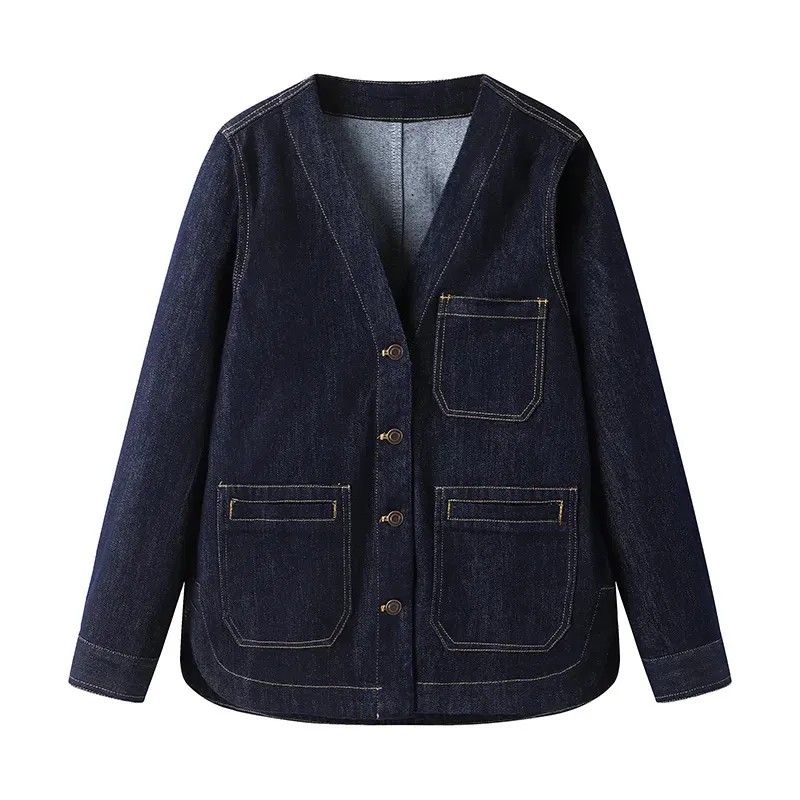
LUOKUGG zapewnia rozwój surowego dżinsu o niskim MOQ, sampling and bulk manufacturing for fashion brands, etykiety dziedzictwa, streetwear collections, hurtownicy i profesjonalni skupujący odzież.
Od doboru przędzy i barwienia indygo po kontrolę skurczu tkaniny, konstrukcja odzieży, kontrola jakości i dostawa masowa, we help brands develop raw denim products with controlled specifications, spójne wykonanie i gotowa do produkcji dokumentacja.
MOQ zaczyna się od 100 sztuk według stylu i koloru.
Pomiary niestandardowe, wykończenia, etykiety i opakowania.
Typowe dni robocze po potwierdzeniu specyfikacji.
Typowe dni robocze po zatwierdzeniu przedprodukcyjnym.
Czas produkcji różni się w zależności od dostępności tkaniny, construction complexity, wykończenia, ilość zamówienia i szybkość zatwierdzania.
Dlaczego surowy dżins nadal przyciąga marki odzieży premium
Surowy dżins to nie tylko nieprana wersja zwykłego dżinsu. It is a product category built around fabric authenticity, widoczne starzenie się, structural character and long-term interaction between the garment and the wearer.
Pozycjonowanie produktów premium
Sztywna konsystencja, deep indigo color and visible construction details help brands create a more technical and premium product story.
Spersonalizowane blaknięcie
Surowy dżins stopniowo tworzy wąsy, plastry miodu, crease lines and high-contrast fading according to the wearer’s movement and habits.
Wpływ dziedzictwa i odzieży roboczej
Kategoria ta jest bardzo istotna dla tradycyjnej odzieży roboczej, Japanese denim, odzież inspirowana stylem vintage i współczesną modą użytkową.
Długoterminowe zaangażowanie w markę
Instrukcje pielęgnacji, fading education and wear-in content allow brands to communicate with customers after the original purchase.
Raw denim requires stronger technical control than ordinary washed denim.
Marki muszą definiować wagę tkaniny, leczenie skurczowe, głębokość barwnika, pomiary odzieży, nić do szycia, konstrukcja szwu, hardware and care instructions before bulk production. These decisions directly influence fit, sztywność, zanikająca wydajność i doświadczenie klienta.
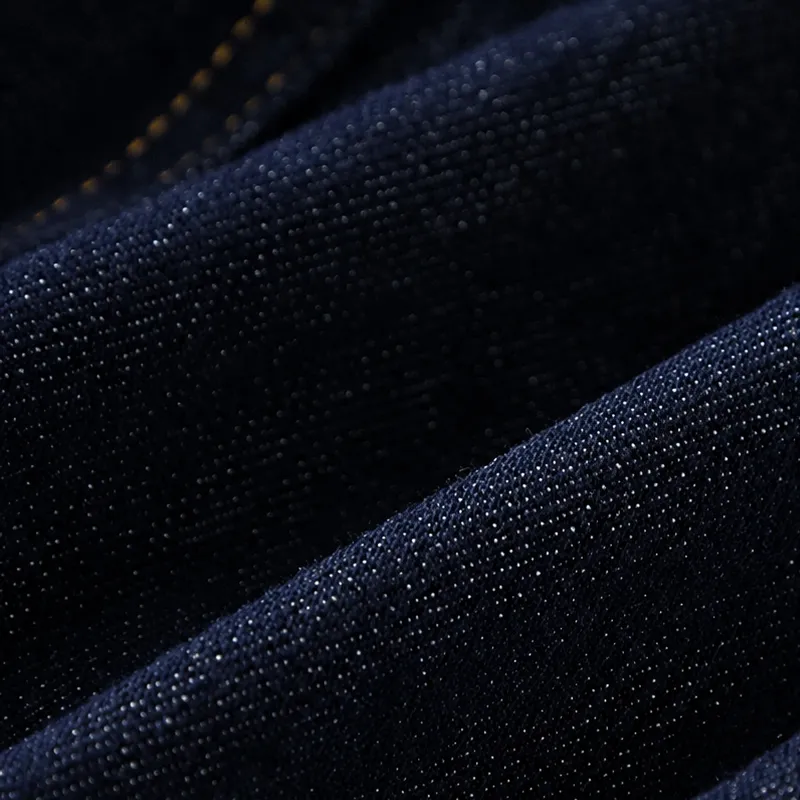
The outer yarn surface carries the deep indigo appearance while abrasion gradually reveals lighter layers underneath.
Struktura techniczna surowego dżinsu
Raw denim normally reaches garment production without the heavy washing and artificial fading processes used on conventional washed denim. Because the original fabric character remains visible, niewielkie różnice w przędzy, dyeing and weaving become much more important.
Wybór przędzy
Pierścieniowe, otwarte, slub and mixed yarn structures create different levels of surface texture, nieprawidłowość, strength and vintage character.
Farbowanie indygo
Odcień indygo, dye penetration and repeated dipping cycles influence initial color depth and the way the fabric develops contrast during long-term wear.
Struktura tkacka
Kierunek skośny, gęstość tkaniny, yarn thickness and loom conditions affect drape, sztywność, recovery and the visual character of the denim surface.
Gramatura tkaniny
Lighter raw denim is suitable for shirts and transitional garments, while heavier constructions are commonly selected for jackets, dżinsy i strukturyzowane produkty odzieży roboczej.
Sanforyzowany i niesanforyzowany surowy dżins
Sanforyzowany surowy dżins
Sanforyzowany dżins jest wstępnie obkurczany mechanicznie przed przycięciem odzieży. It normally provides a more predictable fit and is easier for brands to manage across standard size ranges.
- Bardziej stabilne pomiary po praniu
- Niższe ryzyko dopasowania w przypadku kolekcji surowego dżinsu, które powstają po raz pierwszy
- Łatwiejsza klasyfikacja rozmiaru i komunikacja z klientem
- Nadaje się do szerszej dystrybucji komercyjnej
Niesanforyzowany, surowy dżins
Dżins niesanforyzowany lub krosnowy zachowuje większy potencjał skurczu. The finished garment may change significantly after soaking or washing, so pattern dimensions and care communication must be planned carefully.
- Bardziej tradycyjny charakter surowego dżinsu
- Może być wymagany większy naddatek na skurcz
- Zdecydowanie zaleca się przeprowadzenie przedprodukcyjnych testów namaczania
- Etykiety pielęgnacyjne muszą jasno wyjaśniać oczekiwane zmiany
Surowy dżins sprawia, że każdy szczegół konstrukcji jest bardziej widoczny
Bez intensywnego prania odzieży, oryginalne szycie, seam balance, wykończenie krawędzi i napięcie tkaniny pozostają wyraźnie widoczne. Precyzja podczas szycia jest zatem istotna.
Konstrukcja szwu
Płaskie szwy, overlockowe szwy, binding and chain stitching can be selected according to product position and target cost.
Gęstość ściegu
Gęstość ściegu musi równoważyć wyrafinowanie wizualne, seam strength and the risk of fabric damage on heavier denim.
Specyfikacja gwintu
Grubość nici, composition and color influence both durability and the visual identity of the finished garment.
Wybór igły
Prawidłowy rozmiar igły pomaga zapobiegać pomijaniu ściegów, uszkodzenie przędzy, marszczenie się szwów i nieregularne wnikanie w gęstym dżinsie.
Kontrola krawędzi i kołnierza
Dekolty, klapy, paski, cuffs and pocket openings require controlled shaping to avoid distortion after wear and washing.
Wzmocnienie punktów naprężenia
Bartek, nity, additional stitching and reinforcement fabric can be applied at pockets, szlufki i inne obszary naprężone.
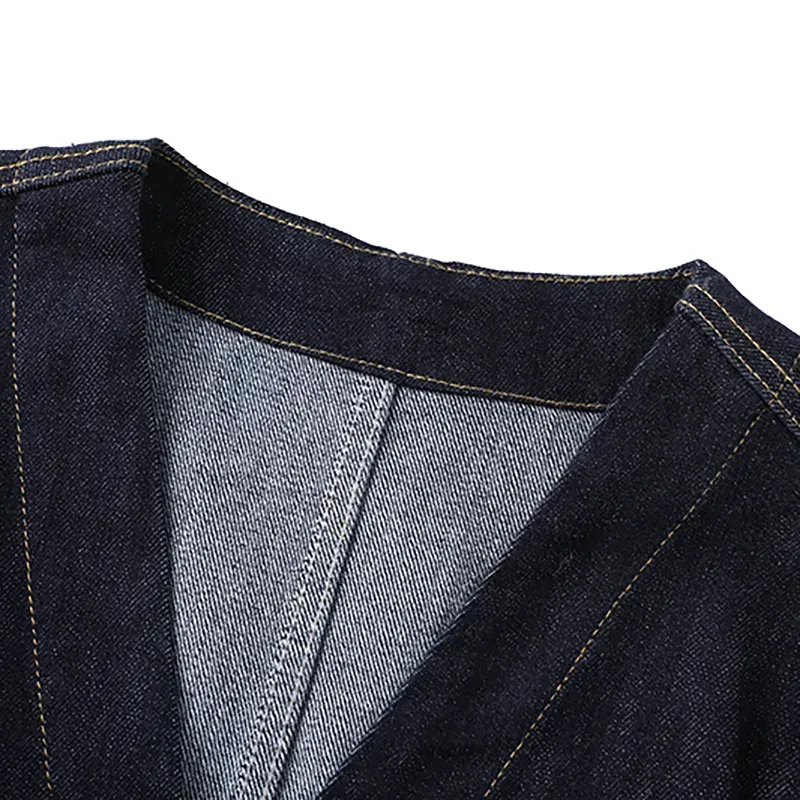
Proces produkcji surowego dżinsu
Każdy etap jest połączony. A change in fabric treatment may affect pattern dimensions, napięcie szycia, pomiary końcowe, care instructions and the customer’s wearing experience.
Informacje dotyczące marki i wymagania techniczne
Sprawdzamy kategorię Twojego produktu, rynek docelowy, obrazy referencyjne, ilość, zakres rozmiarów, koszt docelowy, required delivery date and preferred raw denim characteristics.
Wybór tkaniny i trasa skurczu
Odpowiednie opcje dżinsów są wybierane w zależności od wagi, indigo shade, struktura przędzy, wymóg rozciągania, wyczucie dłoni, selvedge preference and sanforization requirements.
Wzór, Klasyfikacja i dodatek na skurcz
Wzory są opracowywane na podstawie pakietu technologicznego, reference sample or requested measurements. Shrinkage allowance is added when required by the selected denim treatment.
Opracowanie próbki prototypowej
Pierwsza próbka weryfikuje sylwetkę, pomiary, pocket placement, kształt kołnierza, szczegóły ściegu, hardware position and overall construction feasibility.
Pomiar i weryfikacja skurczu
Kiedy jest to wymagane, the sample or fabric is soaked and washed according to the agreed test method. Pre-test and post-test measurements are compared before bulk confirmation.
Zatwierdzenie PPS i specyfikacji końcowej
Tkanina, pomiary, etykiety, pikolak, nity, kolor nici, opakowanie, folding method and workmanship standards are finalized before bulk cutting begins.
Cięcie, Kontrola szycia i in-line
Grupy odcieni tkanin są zarządzane podczas cięcia. Jakość szycia, measurements and key construction points are checked throughout production instead of waiting until completion.
Kontrola końcowa, Pakowanie i wysyłka
Gotowe ubrania są sprawdzane pod kątem pomiarów, wygląd, jakość wykonania, etykiety, quantity and packaging before shipment is arranged.
Typowy harmonogram zamówienia surowego dżinsu
The following schedule is a planning reference for standard private-label projects. Final timing is confirmed after reviewing the design, tkanina, ilość i wykończenia.
Przegląd techniczny
1–2 dni roboczePrzejrzyj specyfikacje, ilość, rynek docelowy, fabric requirements and expected delivery date.
Potwierdzenie tkaniny i wykończenia
3–7 dni roboczychPozyskiwanie tkanin, przygotowanie próbek i potwierdzenie etykiet, sprzęt komputerowy, nić i opakowanie.
Przykładowe opracowanie
7–12 dni roboczychRozwój wzorców, przykładowa konstrukcja, measurements and internal workmanship inspection.
Rewizja i zatwierdzenie PPS
5–10 dni roboczychPrzykładowe komentarze, rewizje, shrinkage adjustments and final pre-production approval.
Produkcja masowa
20–35 dni roboczychPrzygotowanie materiału, cięcie, szycie, inspekcja w linii, finishing and packaging.
Ostateczna kontrola jakości i wysyłka
2–4 dni roboczeKontrola końcowa, weryfikacja ilości, carton packing and shipment preparation.
Przykładowe i zbiorcze harmonogramy rozpoczynają się po szczegółach technicznych, materials and required payments have been confirmed. International shipping time is not included in the production estimate.
Kluczowe punkty kontroli produkcji surowego dżinsu
Ponieważ surowy dżins ma ograniczone wykończenia, które pozwalają ukryć defekty, fabric consistency and sewing precision must be controlled from the beginning of production.
Kontrola tkaniny
- Gramatura tkaniny i szerokość użytkowa
- Konsystencja odcienia indygo
- Wady tkackie i rozkład służek
- Próby skurczu i skośności
- Rozciąganie i regeneracja, jeśli to konieczne
Kontrola cięcia
- Grupowanie cieni przed cięciem
- Kierunek wzoru i wyrównanie słojów
- Dopasowanie panelu tam, gdzie jest to wymagane
- Weryfikacja naddatku na skurcz
- Identyfikacja i identyfikowalność pakietów
Kontrola szycia
- Gęstość ściegu i naprężenie nici
- Konsystencja naddatku szwów
- Pominięte ściegi i uszkodzenie igły
- Symetria kieszeni i paneli
- Wzmocnienie w punktach naprężenia
Końcowa kontrola odzieży
- Tolerancja pomiaru
- Kołnierz, kształt mankietu i talii
- Obsługa i podłączanie sprzętu
- Dokładność etykiet i opakowań
- Ogólny wygląd i czystość
Niestandardowe opcje rozwoju surowego dżinsu
Twój projekt może zostać opracowany na podstawie istniejących referencji, an original tech pack, próbkę fizyczną lub całkowicie nowe wytyczne projektowe.
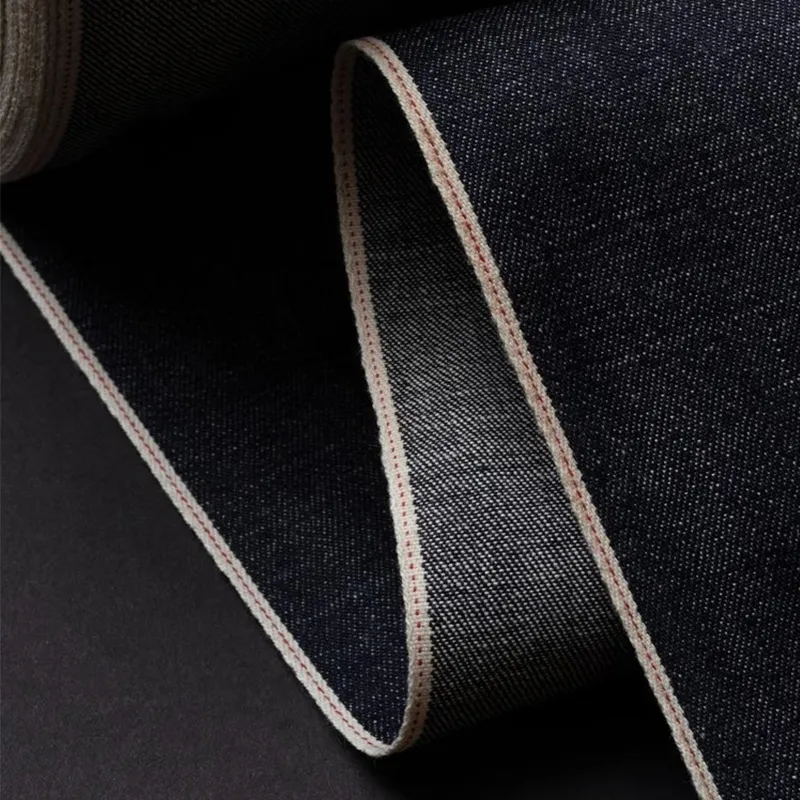
Niestandardowy wybór dżinsów
Wybierz gramaturę tkaniny, tekstura przędzy, odcień indygo, rozciągnij treść, sztywna konstrukcja, opcja krajki, sanforized treatment or unsanforized character.
Pomiary niestandardowe
Oryginalne sylwetki, wykresy pomiarowe, size grading and brand-specific fit standards.
Projekt budowlany
Kształty kieszeni, konstrukcje kołnierzowe, układy szycia, rodzaje szwów, wzmocnienia i detale dekoracyjne.
Przyciski i sprzęt
Niestandardowe przyciski, nity, zatrzaski, zamki błyskawiczne, buckles and branded metal accessories.
Etykiety prywatne
Główne etykiety, etykiety rozmiarów, etykiety pielęgnacyjne, skórzane łaty, hangtags and branded packaging.
Produkty z surowego dżinsu, które możemy opracować
Jak należy nosić i pielęgnować surowy dżins
Dla klientów B2B, Pielęgnacja surowego dżinsu to nie tylko temat użytkownika końcowego. It affects care labels, wkładki do opakowań, opisy produktów, komunikacja posprzedażowa i oczekiwania klientów.
Początkowy okres użytkowania
Wearing the garment before the first full wash allows natural crease lines and abrasion areas to develop around the elbows, kolana, biodra, kieszenie i inne strefy ruchu.
Punkt komunikacji marki:Dokładny czas pierwszego prania jest kwestią osobistych preferencji. Higiena, klimat, garment use and desired fading contrast should all be considered.
Czyszczenie punktowe
Small surface marks can be treated locally with a damp cloth and a mild cleaning solution instead of washing the entire garment unnecessarily.
Ważny:Aggressive rubbing may create an uneven light area because indigo naturally sits closer to the surface of the yarn.
Najpierw umyj lub namocz
Odwróć ubranie na lewą stronę, use cool water and select a mild detergent without bleach. Unikaj przepełnienia pralki.
Do niesanforyzowanego dżinsu:A controlled initial soak may be required before regular wear so that the garment reaches its intended post-shrink dimensions.
Wysuszenie
Po praniu zmień kształt ubrania i pozostaw je do naturalnego wyschnięcia. Suszenie w suszarce bębnowej w wysokiej temperaturze może zwiększyć skurcz, distortion and surface abrasion.
Punkt komunikacji marki:Care instructions should match the exact fabric and garment test results rather than using a generic care label.
Typowe wzorce zużycia
Poziome zmarszczki wokół górnej części uda i bioder.
Powtarzające się wzory składania za kolanami lub łokciami.
Zagniecenia w pobliżu rąbka, w miejscu gromadzenia się nadmiaru materiału.
Zarysy o wysokim kontakcie utworzone przez przedmioty noszone wielokrotnie.
Niestandardowe karty pielęgnacyjne i treści edukacyjne dotyczące surowego dżinsu
LUOKUGG może pomóc markom w przygotowaniu etykiet pielęgnacyjnych, zawieszki, packaging inserts and basic care guidance based on the selected raw denim fabric and approved testing method.
Pytania dotyczące produkcji surowego dżinsu
Kluczowe informacje dla marek przygotowujących niestandardową kolekcję surowego dżinsu.
Jaka jest minimalna ilość zamówienia na niestandardowy surowy dżins?
Minimalna ilość zamówienia zaczyna się od 100 pieces per style and color. Ostateczne MOQ może się różnić w zależności od niestandardowej tkaniny, wykończenia, etykiety, wymagania dotyczące sprzętu i opakowania.
Czy możesz opracować produkty z surowego dżinsu na podstawie obrazu referencyjnego??
Tak. Możemy ocenić obrazy referencyjne, próbki fizyczne, sketches or tech packs. Wyczyść pomiary, construction requirements and target fabric information help improve development accuracy.
Czy możemy wybrać dżins sanforyzowany lub niesanforyzowany?
Tak. Odpowiednia opcja zależy od rynku docelowego, fit strategy and customer care expectations. Unsanforized denim normally requires more detailed shrinkage planning and testing.
Czy możesz dostarczyć niestandardowe etykiety i opakowania??
Tak. Główne etykiety, etykiety rozmiarów, etykiety pielęgnacyjne, skórzane łaty, pikolak, nity, zawieszki, polybags and carton requirements can be customized for private-label production.
Ile czasu zajmuje produkcja masowa?
Standardowa produkcja masowa zwykle wymaga około 20 Do 35 dni robocze po tkaninie, wykończenia, pre-production sample and production details are approved. Complex projects may require additional time.
Czy LUOKUGG sprzedaje odzież z surowego dżinsu klientom detalicznym??
NIE. LUOKUGG koncentruje się na produkcji dżinsów B2B, OEM, ODM, produkcja hurtowa i pod marką własną. We do not process individual consumer retail orders.
Opracuj kolekcję surowego dżinsu z kontrolowaną tkaniną, Budowa i skurcz.
Wyślij nam swój projekt, próbka referencyjna, pakiet technologiczny, quantity and target market. Our team will review the project and recommend a suitable development route.
OEM / ODM · Marka prywatna · Produkcja hurtowa