
Global Denim Trends 2026 & The Small-Batch Solution: How Indie Brands Can Reinvent Their Flexible Supply Chain
As the global fashion industry undergoes rapid digital transformation, denim—a classic fabric that has spanned centuries—is experiencing yet another renaissance. With the comprehensive rise of the Direct-to-Consumer (DTC) model and Generation Z and Alpha becoming the dominant consumer forces, market expectations for denim have fundamentally shifted. Today’s consumers are no longer satisfied with just «a durable pair of jeans»; they crave garments that express their self-identity, echo their environmental values, and reflect a unique lifestyle.
Sin embargo, when independent designers, emerging DTC brands, and cross-border e-commerce sellers attempt to capitalize on these cutting-edge trends, they frequently hit a brick wall of traditional manufacturing barriers. Breaking these supply chain shackles to achieve an agile, fast-iteration model has become the ultimate survival test for new denim brands. In this article, we dive deep into the core denim trends shaping the market, expose the pain points of small-batch customization, and reveal our game-changing flexible supply chain solutions.
1. Four Core Denim Fashion Trends You Cannot Miss in 2026
To stand out in a highly competitive market, precise product selection and design are paramount. The current denim landscape is driven by highly diversified aesthetic preferences, as highlighted in recent global fashion forecasts like WGSN Trend Reports.
A. Modern Vintage & Y2K Revival
Fashion is cyclical, but every return brings upgraded craftsmanship. The nostalgia for the 90s and early 2000s remains a powerhouse trend in 2026.
- Silhouettes & Cuts: Extreme low-rise designs, exaggerated wide-leg fits, and cargo denim laden with utilitarian pockets are staples of street culture. Oversized cuts offer an unconstrained, relaxed vibe that resonates with younger demographics. You can explore these styles further in our latest Y2K & Cargo Denim Collection.
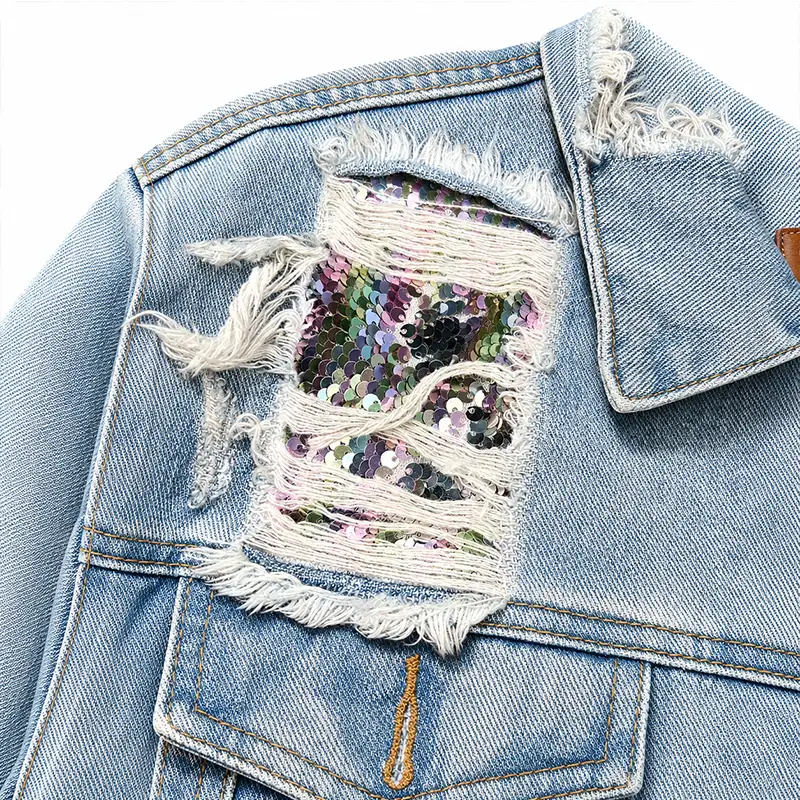
- Wash Techniques: Consumers are obsessed with authentic, time-worn aesthetics. Heavy vintage washes, pronounced whiskering, yellowed «dirty washes,» and frayed, distressed detailing are heavily favored to project an edgy, non-conformist attitude.
B. Eco-Conscious & Sustainable Denim
Sustainability is no longer a mere marketing gimmick; it is a critical deciding factor for consumers, particularly in Western markets. Leading organizations like the Sustainable Apparel Coalition emphasize the importance of green manufacturing in modern fashion.
- Eco-Friendly Fabrics: The demand for sustainable materials like organic cotton, recycled cotton, and hemp blends is experiencing exponential growth. Check out our certified Sustainable Denim Line for premium green fabrics.
- Green Processing: Traditional chemical washes and water-intensive dyeing methods are being phased out. Waterless dyeing, ozone washing, and laser etching have become the gold standard for premium jeans. These technologies not only reduce the carbon footprint but also impart unique, high-quality textures to the fabric.
do. Deconstructed & Genderless Design
Pioneering designers are aggressively breaking down traditional gender boundaries and garment structures, a movement frequently covered by prominent media like Vogue Fashion.
- Patchwork & Reassembly: Splicing together denim of varying shades and textures, or mixing denim with contrasting materials like leather, lace, or hardware, creates striking visual impact.
- Gender-Neutral Tailoring: Designs that downplay physical gender characteristics and emphasize inclusivity allow the same denim style to cross gender lines. This offers immense commercial value for brands looking to expand their audience reach. Browse our inclusive Unisex & Genderless Denim Collection.
D. Tech-Infused & Functional Denim
Modern urbanites demand unprecedented levels of comfort. By incorporating advanced synthetic alternatives like Lycra or breathable fibers, modern denim maintains its structured, rugged appearance while offering high stretch, lightweight comfort, and breathability. This perfectly aligns with the ongoing «Athleisure» trend sweeping the global apparel industry.
2. Industry Pain Points: El «Three Mountains» Crushing Independent Brands
While market trends are clear, translating design sketches into physical products reveals the harsh reality of small-batch customization. The traditional denim supply chain model is often the biggest obstacle to brand innovation:
Pain Point 1: Exorbitant Minimum Order Quantities (MOQs) – The Cash Flow Killer
Traditional, large-scale denim factories are built for massive, standardized production runs. To cover machine setup costs, they typically demand an MOQ of 500 a 1,000 pieces per style/color. For an emerging indie brand or an e-commerce seller wanting to test the waters, this means a massive upfront capital investment and the deadly risk of deadstock. If the market response is lukewarm, the resulting inventory backlog is enough to crush a startup’s cash flow.
Pain Point 2: Prolonged Development Cycles & High R&D Costs
Denim manufacturing is vastly more complex than making basic t-shirts, involving over a dozen steps including pattern making, de coser, custom washing, refinamiento, and hardware sourcing. In traditional factories, small orders are continually pushed to the back of the production queue.
- Time Cost: A single sample can take 3 a 4 weeks to produce. If adjustments to the fit or wash effect are needed, the entire development cycle can drag on for months. In the era of fast fashion, this often means missing the peak selling season entirely.
- Financial Cost: The expenses for wash molds and specialized pattern fees, when amortized over a small batch of a few hundred pieces, drive the cost-per-unit unacceptably high, severely squeezing the brand’s profit margins.
Pain Point 3: Unpredictable Quality Control (El «Blind Box» Effect)
Unable to meet the MOQ thresholds of tier-one factories, many independent brands are forced to compromise by working with uncertified, small workshop operations. These facilities lack standardized quality management systems, failing to meet international standards such as those verified by SGS Quality Inspection Services. This leads to severe shading discrepancies, crooked stitching, and easily detached hardware, leaving the brand facing high return rates and catastrophic damage to its reputation.
3. Our Solution: Reinventing Denim Manufacturing with a Tailored Flexible Supply Chain
To completely eradicate these industry pain points, we have deeply digitized the traditional denim production line. We are committed to providing a true, one-stop Flexible Supply Chain Service for independent brands, designers, and e-commerce sellers worldwide.
A. Ultimate Agility: Micro-Batch Production Starting at 50 Pieces/Style
We have shattered industry norms by drastically lowering our MOQ to just 50 piezas por estilo. This revolution grants brands the ultimate freedom to test and iterate. You can develop multiple SKUs simultaneously for small-batch market testing. Based on real consumer feedback, you can rapidly restock the bestsellers, completely eliminating inventory anxiety and ensuring every dollar of your working capital is spent efficiently. Conozca más sobre nuestro Low-MOQ Manufacturing Policy.
B. Digitally Driven: 7-Day Rapid Sampling, 14-Day Bulk Delivery
By seamlessly integrating 3D digital pattern-making with modern wash technologies, we have dramatically shortened the development and production cycles:
- Smart Patterning & 3D Previews: Confirm fits and cuts via 3D modeling before physical production begins, saving time on endless physical revisions.
- Advanced Laser Washing: Utilizing computer-controlled laser etching precisely replaces traditional chemical washing and manual scraping. This guarantees 100% design accuracy, eliminates the need for expensive physical molds, drastically boosts production efficiency, and champions eco-friendly practices.
- Lightning-Fast Turnaround: Sample production time is reduced to just 5-7 días, with small-batch bulk orders delivered in as little as 14 días. We ensure your brand is always riding—or leading—the fashion wave. Read about our Fast Turnaround Process.
do. International Tier-1 Standards: A Transparent, Rigorous QC System
We firmly believe that small orders should never mean compromised quality. We apply the same rigorous Standard Operating Procedures (SOPs) used by global mega-brands to our small-batch production:
- Premium Source Fabrics: We partner strategically with top-tier fabric mills, ensuring that even our small-batch clients have access to premium, sustainable, high-quality denim.
- Multi-Stage Quality Checkpoints: From initial fabric shrinkage and colorfastness testing upon arrival, to stitching alignment checks during sewing, and final dimensional and aesthetic reviews post-wash. Every pair of jeans leaving our facility undergoes at least three strict QC procedures to ensure the bulk matches your approved sample flawlessly. You can review our comprehensive Quality Assurance Standards.
- Dedicated Project Management: Every client is assigned a dedicated merchandiser/project manager. From discussing your Tech Pack and selecting fabrics to tracking samples and arranging bulk logistics, we provide transparent, 24/7 communication so you never have to lose sleep over supply chain operations again.
Conclusion
In today’s volatile and fast-paced global fashion market, a brand’s vitality is determined by the agility of its supply chain. The realization of brilliant creative concepts should never be hindered by outdated manufacturing models. We are not just a clothing manufacturer; we are the robust back-end moat that protects and fuels your brand’s growth.
Leave the complexities of production to us, and focus your energy on design and marketing. Are you ready to create the market’s next explosive denim bestseller? Please feel free to Contact Our Supply Chain Experts or submit your tech pack today. Our team will provide you with a free preliminary assessment and a customized quote within 24 hours!